Established in September 2023, the Life Science Research Center is a university-level comprehensive platform affiliated with the School of Life Sciences. It integrates the university’s superior disciplinary resources and faculty expertise across biological sub-disciplines to drive high-level scientific innovation, cultivate outstanding talent, and support social services. As the core supporting platform for the university’s first-class Discipline of Biology—approved as a national first-class doctoral discipline in 2013—the Center also hosts a postdoctoral research station and offers a complete, integrated training system for undergraduates, master’s, and doctoral students. The discipline has been continuously selected for the Jiangsu Provincial Advantageous Discipline Construction Program. The Center supports three undergraduate majors—Biological Sciences, Biotechnology, and Bioinformatics—serving over 500 students and delivering standardized teaching and research training.
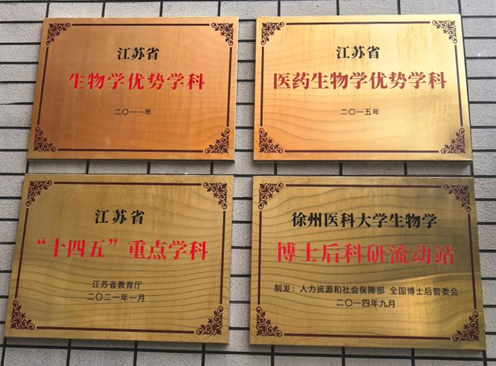
The Center employs 45 full-time faculty and management staff, including 24 senior professional teachers and 31 doctoral supervisors. The team features a number of high-level provincial talents, including experts selected for the Jiangsu “333 Project,” “Six Talent Peaks,” and “Blue and Blue Project,” as well as provincial industrial professors and innovative doctoral talents. With strong academic qualifications, a well-balanced age structure, and robust research capabilities, faculty members conduct research and teaching across six distinctive sub-disciplines: Biophysics, Neurobiology, Cell Biology, Genetics, Zoology, and Medical Biotechnology. Their work focuses on frontier areas such as disease pathogenic mechanisms, biomedical technology, animal model construction, bioinformatics, and synthetic biology, yielding significant outcomes in both research and innovative talent cultivation.
The Center fosters interdisciplinary innovation within a complete biological disciplinary framework, with each sub-discipline developing distinct research features and achievements. Biophysics concentrates on molecular fluorescent probes, biomacromolecular structure and function, and disease bioinformatics. It has undertaken over 10 national and provincial projects, published more than 60 SCI papers, and obtained 6 national invention patents. Neurobiology, which hosts Jiangsu Province’s first master’s program in the field, focuses on neurodegenerative diseases, glioma, and central nervous system lesions. It has secured over 20 national and provincial projects and published over 120 SCI papers, cultivating more than 100 high-quality postgraduates. Cell Biology, a core doctoral discipline branch, centers on brain injury intervention and tumor epigenetic regulation. It collaborates with top domestic universities and tertiary hospitals and has undertaken over 30 research projects at various levels. Genetics boasts a 100% doctoral faculty ratio, with 30% having overseas experience. Research focuses on neurological, reproductive, and tumor genetic mechanisms. The discipline has obtained 17 NSFC projects and more than 30 provincial and municipal projects, published 36 SCI papers (including multiple CAS Q1 articles), and secured over 20 patents and software copyrights. Its original "Upper Limit Theory of Genetic Diversity" has gained wide academic recognition, with several achievements successfully translated into clinical and industrial applications. Zoology, leveraging transgenic and humanized animal platforms, specializes in disease animal model construction, microbe-host interaction, and embryo biotechnology. Proficient in CRISPR/Cas9 gene editing technology, it has carried out over 20 provincial and national research projects. Medical Biotechnology emphasizes encephalopathy mechanisms, synthetic biology, and traditional Chinese medicine neuroprotection. Supported by the provincial first-class undergraduate program, it has received numerous research grants and won multiple provincial teaching and research awards.
The Center operates a multi-level innovation platform system that integrates provincial disciplinary platforms, municipal key laboratories, and university-level research centers. Key platforms include the Xuzhou Municipal Key Laboratory of Neurobiology, the Xuzhou Municipal Key Laboratory for Human Disease Animal Models, the Xuzhou Medical Genetics and Neural Engineering Research Center, and the University Key Laboratory of Genetic Basis and Clinical Application. Supported by the Biology Postdoctoral Research Station, these form a solid foundation for interdisciplinary scientific research. The Center has established shared experimental platforms covering molecular biology, cell biology, morphological analysis, small animal behavior research, gene editing, and humanized animal modeling. All facilities are fully open to university faculty and students, supporting undergraduate innovation training, postgraduate research, faculty project development, and public technical services.
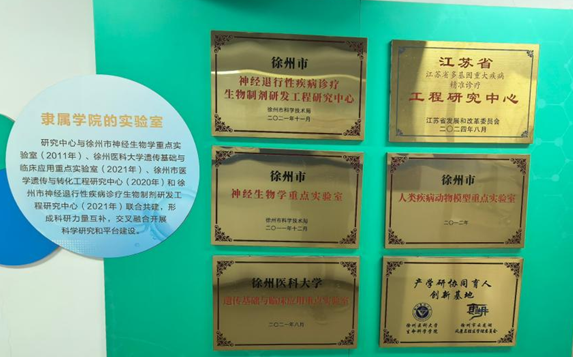
Guided by the philosophy of "consolidating foundations, emphasizing innovation, integrating teaching and research, and serving society," the Center builds a hierarchical interdisciplinary talent cultivation system. It continuously optimizes curriculum and research training to enhance students’ comprehensive quality and innovative practical abilities. Over the past five years, faculty and students have obtained over 100 national and provincial projects, published hundreds of high-level SCI papers, and secured dozens of patents, winning various municipal and provincial teaching and research awards. Graduates have pursued further studies at top universities both domestically and internationally, achieving a 100% employment rate, while students actively win provincial innovation projects and discipline competition honors. The Center vigorously promotes industry-university-research integration, accelerates the translation of research achievements into clinical and biomedical applications, and conducts academic exchanges and public science popularization activities, exerting outstanding disciplinary demonstration and social radiation effects.
Looking ahead, the Center will deepen teaching and research reform, optimize platform construction, strengthen faculty development, and promote achievement transformation. With a focus on interdisciplinary innovation and high-quality talent cultivation, it strives to build a distinctive and influential life science research and talent training base, providing solid support for the high-quality development of the university, the regional biomedical industry, and public health undertakings.
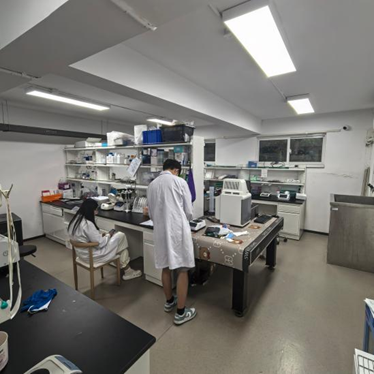
Molecular Biology Laboratory
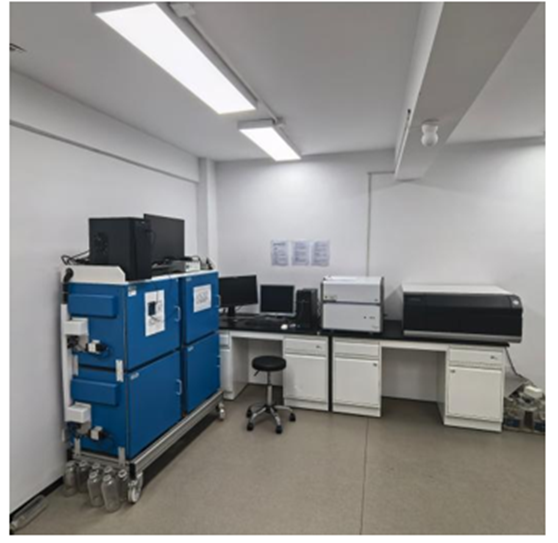
Animal Behavior Laboratory
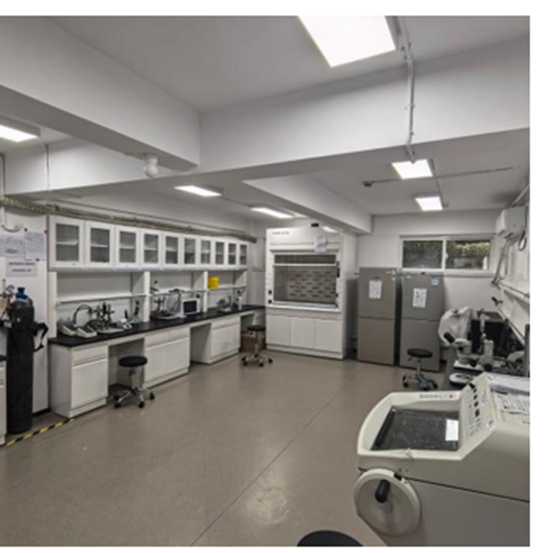
Morphological Analysis Laboratory
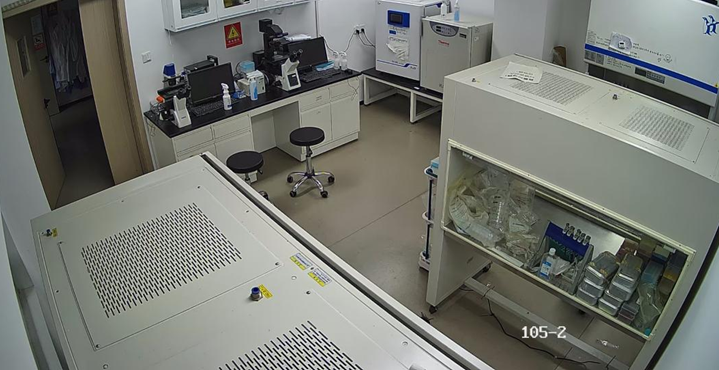
Cell Culture Room

