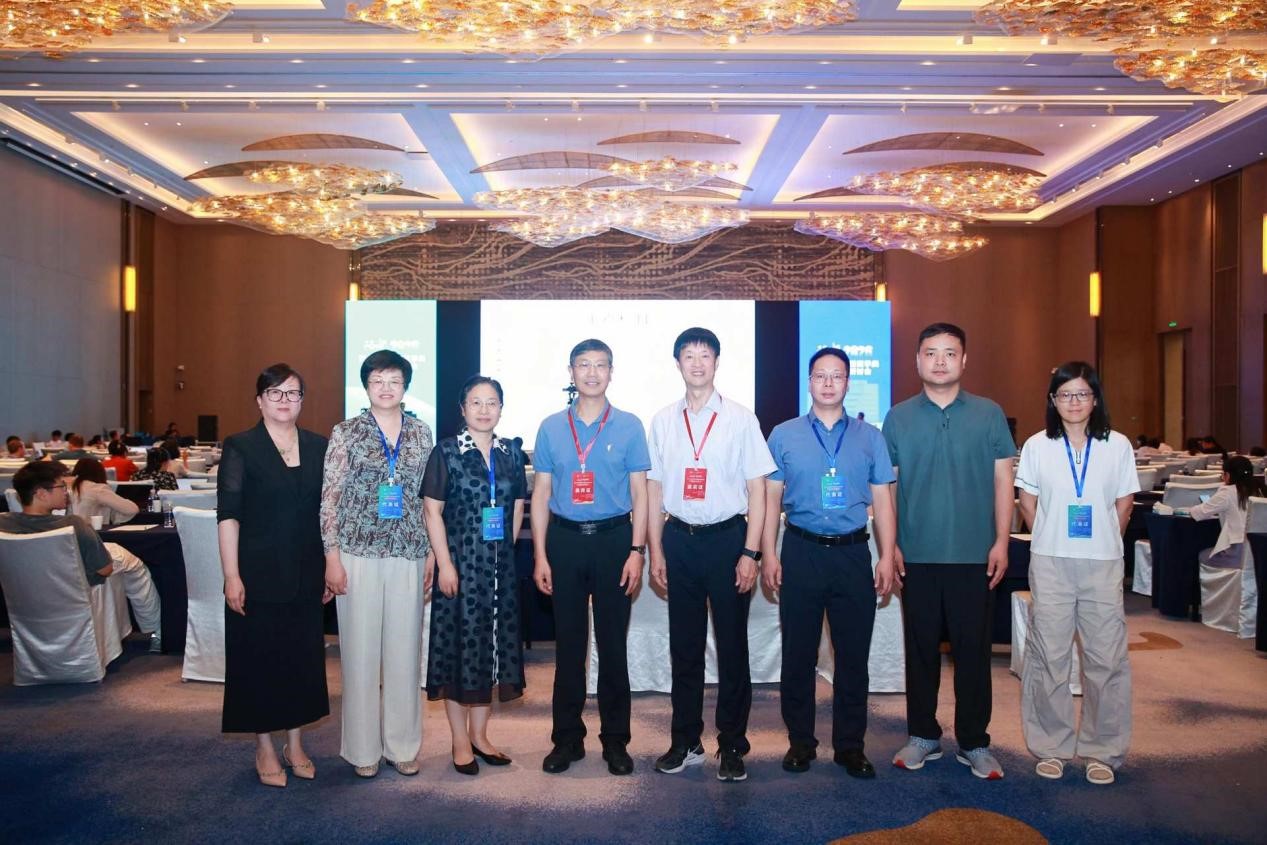
From July 26 to 29, the 18th National Symposium on Medical Experimental Teaching concluded successfully in Shanghai. Centered on the theme of “AI Empowerment · Digital‑Intelligent Integration · Innovation‑Driven Development — Building a New Ecosystem for Medical Experimental Teaching in the New Era”, the symposium was hosted by the Basic Medicine Group of the National Union of University‑level Experimental Teaching Demonstration Centers and undertaken by Naval Medical University of the Chinese People’s Liberation Army. Teaching administrators, directors of national‑level experimental teaching demonstration centers, academic leaders, front‑line teaching faculty and enterprise representatives from medical and pharmaceutical universities nationwide gathered in Shanghai to discuss pathways for high‑quality development of medical experimental teaching in the new era.
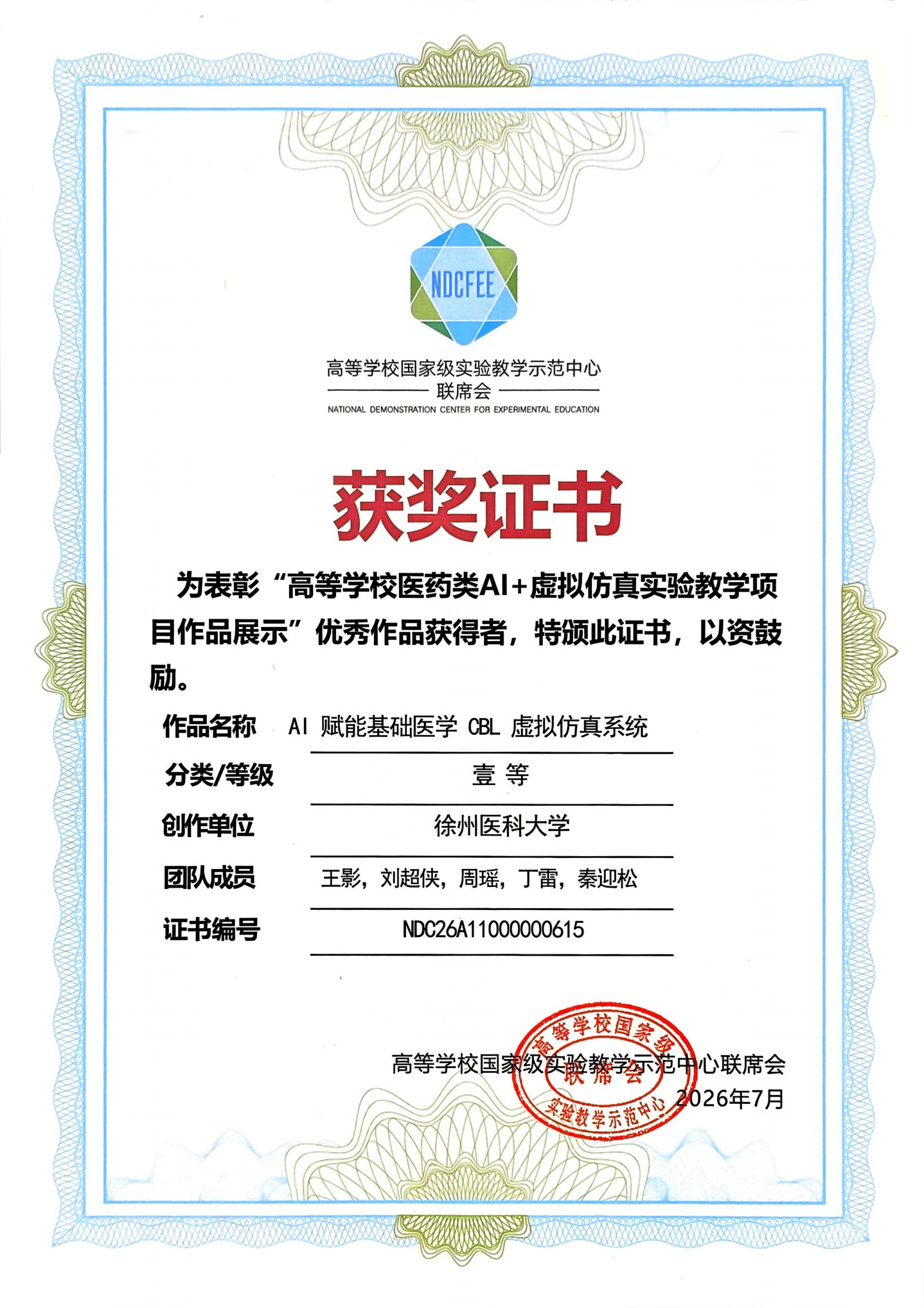
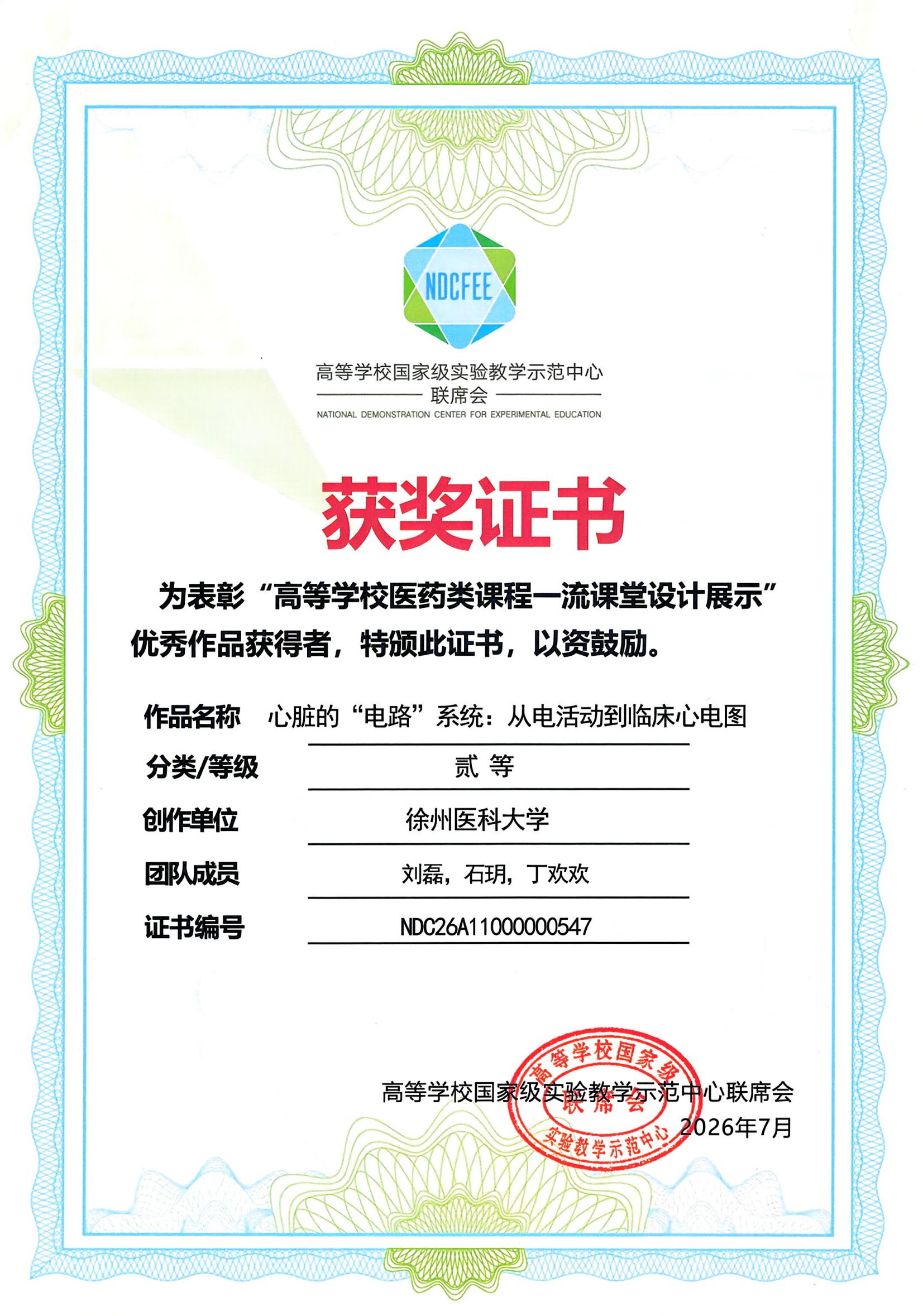
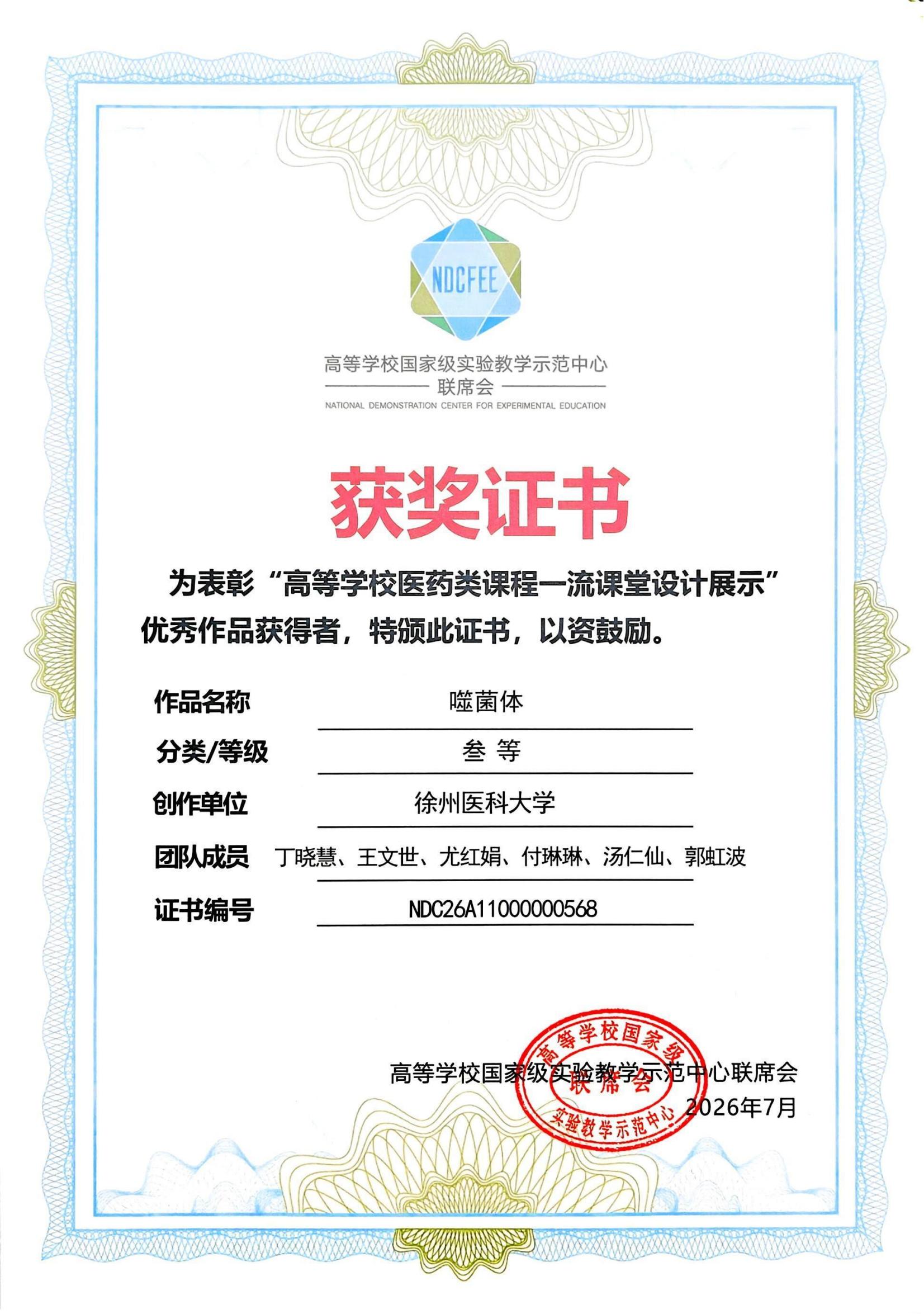
Six featured events were held concurrently during the symposium. Drawing on solid theoretical foundations, innovative teaching designs and outstanding on‑site performance, teachers from the School of Basic Medicine and Life Sciences of our university won multiple awards. In the Exhibition of AI‑enabled Virtual Simulation Experimental Teaching Projects for Medical and Pharmaceutical Higher Education Institutions, the work AI‑powered CBL Virtual Simulation System for Basic Medicine developed by Wang Ying’s team (Members: Liu Chaoxia, Zhou Yao, Ding Lei, Qin Yingsong) was awarded the First Prize. In the Exhibition of First‑class Classroom Designs for Medical and Pharmaceutical University Courses, the entry The “Circuit” System of the Heart: From Electrical Activity to Clinical Electrocardiogram by Teacher Liu Lei (Team Members: Shi Yue, Ding Huanhuan) received the Second Prize; the entry Bacteriophages by Teacher Ding Xiaohui (Team Members: Wang Wenshi, You Hongjuan, Fu Linlin, Tang Renxian, Guo Hongbo) won the Third Prize. These achievements represent important outcomes of our university’s long‑term emphasis on basic medical experimental teaching and continuous advancement of digital‑intelligent teaching reform. They also reflect the university’s practical efforts to cultivate young teachers and build a high‑quality teaching faculty.
Going forward, our university will continue to leverage high‑level competitions as a driving force. Upholding the teaching reform philosophy of “promoting teaching, reform and innovation through competitions”, we will further integrate modern information technologies such as artificial intelligence and virtual simulation into medical experimental teaching, strive to enhance teachers’ digital literacy and IT‑enabled teaching capabilities, and lay a solid foundation for cultivating more high‑quality innovative medical talents suited to the development needs of the healthcare industry in the new era.
(Author: Liu Lei, First Reviewer: Wang Lei, Second Reviewer: Kong Delong, Third Reviewer: Han Hongliu)

