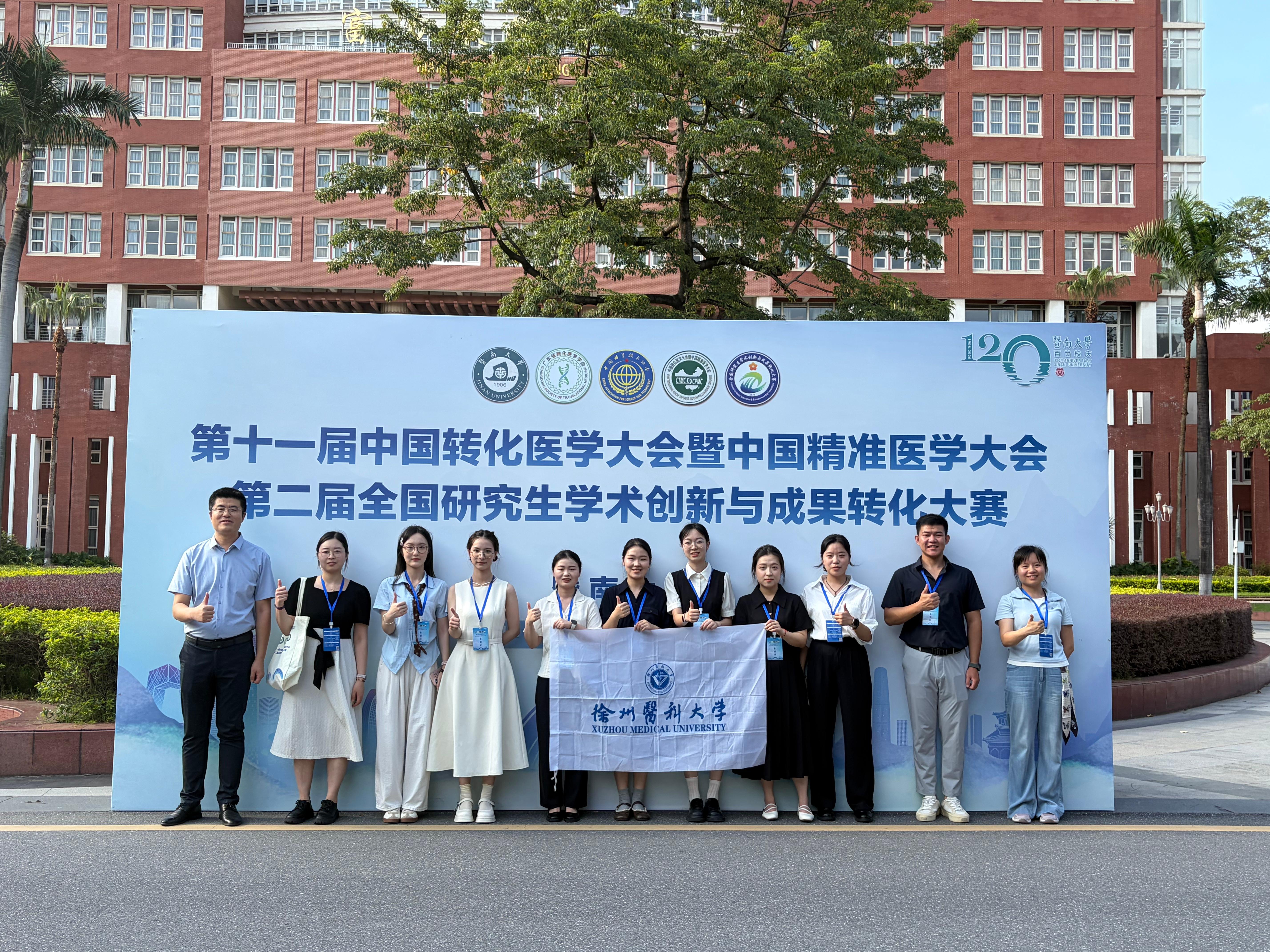
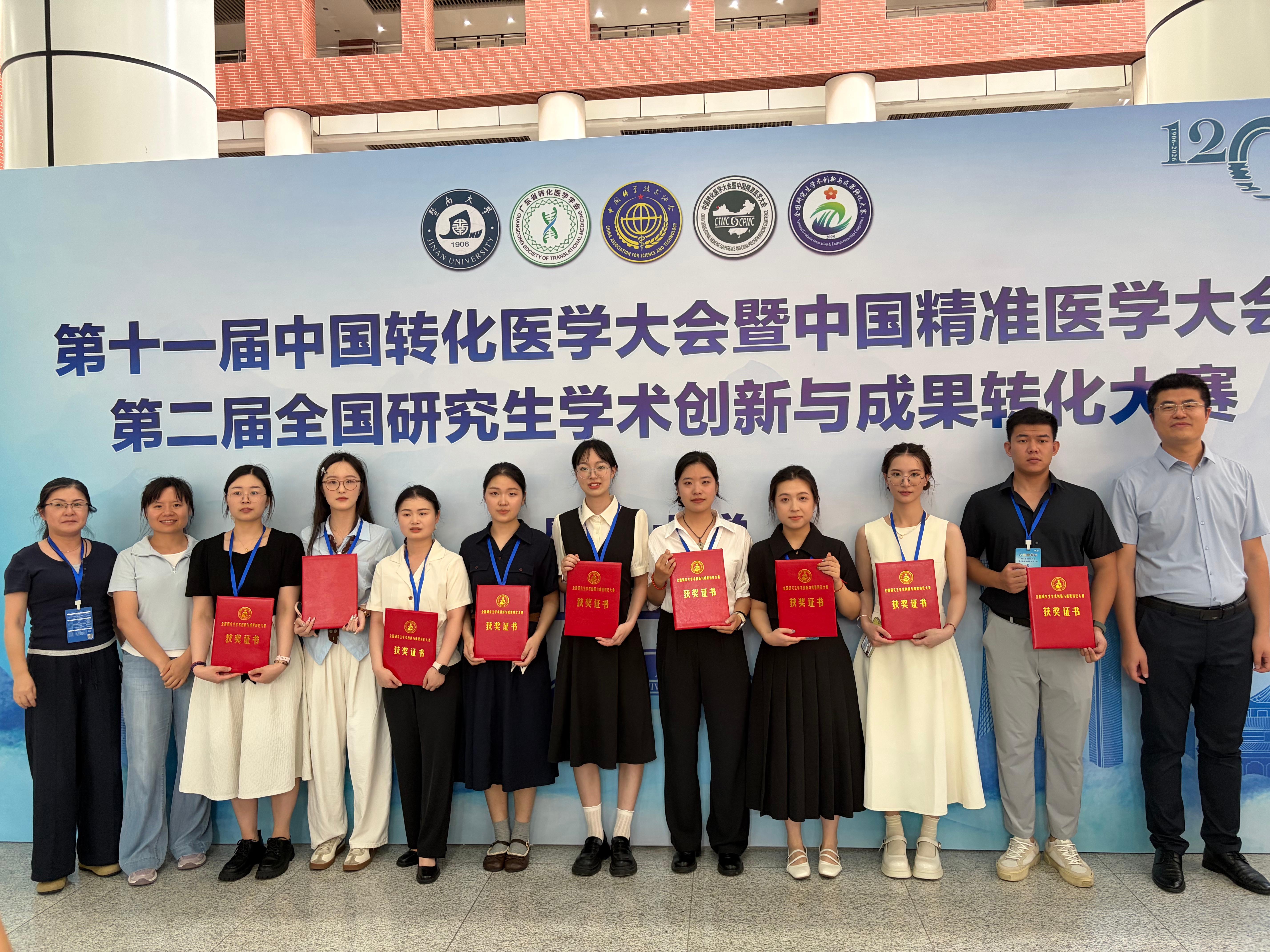
From August 7 to 9, 2026, the 11th Translational Medicine Conference and Precision Medicine Conference was grandly held at Jinan University in Guangzhou. As an important component of the conference, the 2nd Postgraduate Academic Innovation and Achievement Transformation Competition was held concurrently. Guided by the China Association for Science and Technology and the China Science and Technology Development Foundation, the conference and competition were jointly organized by multiple authoritative domestic academic societies, renowned universities and technology transfer platforms. It is a high‑level national event integrating academia, innovation and practical application in the fields of translational medicine and precision medicine. Featuring broad coverage, high academic value and fierce competition, this year’s competition saw 496 outstanding projects from 90 universities and medical institutions across the country advance to the final round.
Committed to high‑quality postgraduate training as its core mission, our school attaches great importance to the role of this competition in fostering postgraduate students. We organized multiple internal mock roadshows and invited senior experts to provide one‑on‑one coaching for submitted projects. Targeted guidance and repeated polishing were delivered covering problem formulation, data support, transformation pathways and defense presentation, offering systematic training for participating postgraduates. Thanks to thorough pre‑competition preparation, all nine participating students won awards, including three Gold Prizes, two Silver Prizes and four Bronze Prizes. The outstanding results fully demonstrate the solid academic competence and innovative capacity of our institute’s postgraduate students.
Moving forward, taking this competition as an opportunity, our institute will further deepen reforms in postgraduate education and teaching, strengthen the integration of discipline development and scientific research innovation, foster a robust atmosphere for scientific and technological innovation, and encourage more young students to engage in medical research and innovative practice. Meanwhile, we will keep improving the full‑chain training system of “scientific research‑competition‑achievement transformation”, and continuously enhance the quality of talent cultivation and core scientific research competitiveness.
(First Reviewer: Li Li, Second Reviewer: Wang Wenshi, Third Reviewer: Han Hongliu)

