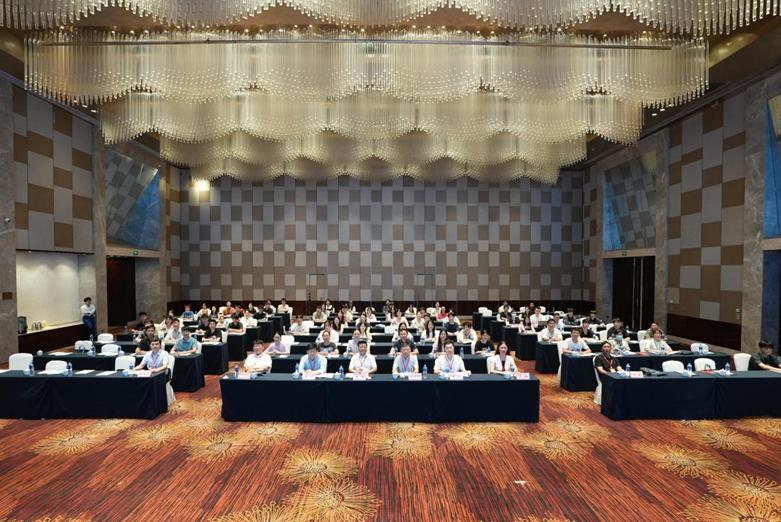
The 2024 Pengcheng International Conference on Medical Genetics was successfully held at Wyndham Xuzhou Hotel from August 12 to 13. The conference was co-sponsored by Xuzhou Medical University and the Jiangsu Genetics Society, and undertaken by the School of Life Sciences of Xuzhou Medical University, the Key Laboratory of Basic Genetics and Clinical Application of Xuzhou Medical University, Jiangsu Engineering Research Center for Precision Diagnosis and Treatment of Polygenic Major Diseases, the Office of International Cooperation and Exchange (Hong Kong, Macao and Taiwan Affairs Office) of Xuzhou Medical University, and the Overseas Chinese Federation of Xuzhou Medical University. Distinguished experts and scholars from the Republic of Korea, Singapore, Hong Kong of China and Chinese mainland delivered brilliant academic presentations.
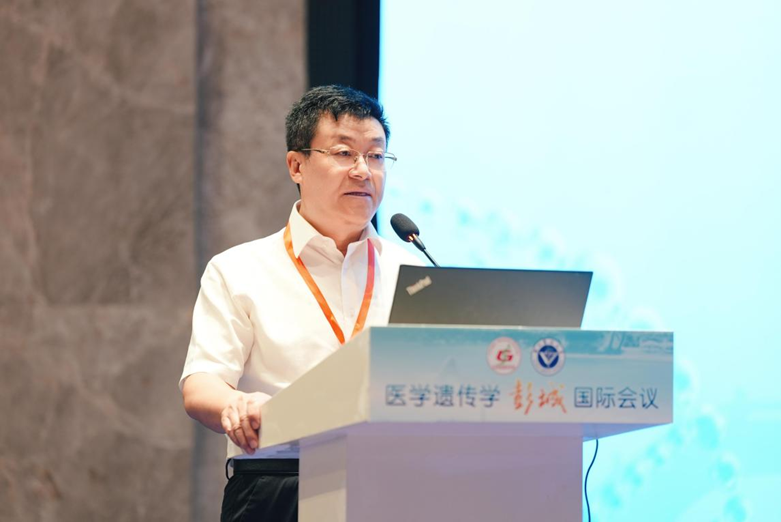
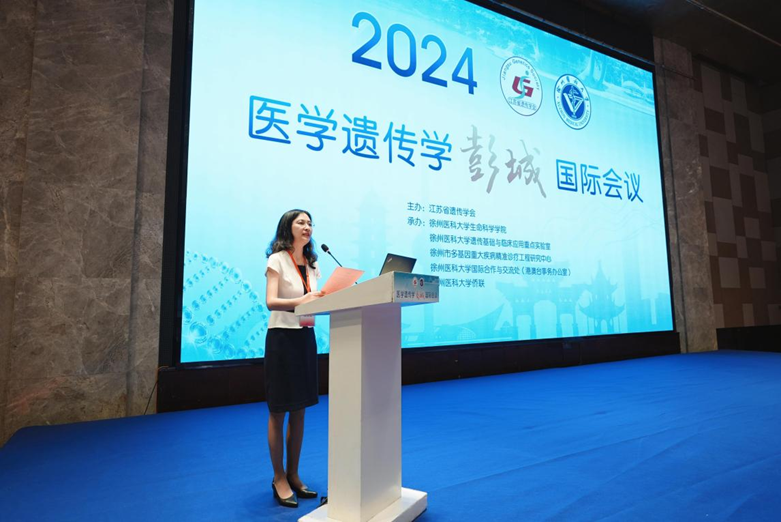
The conference was presided over by Professor Gao Can, Dean of the School of Life Sciences. Wang Feng, Member of the Standing Committee of the University Party Committee and Secretary of the University Commission for Discipline Inspection, delivered the opening address. He extended a warm welcome to all domestic and overseas experts, expressed gratitude for their support for this academic conference, briefed the audience on the development history of Xuzhou Medical University, and affirmed the contributions made by the School of Life Sciences and the discipline of Genetics to university development.
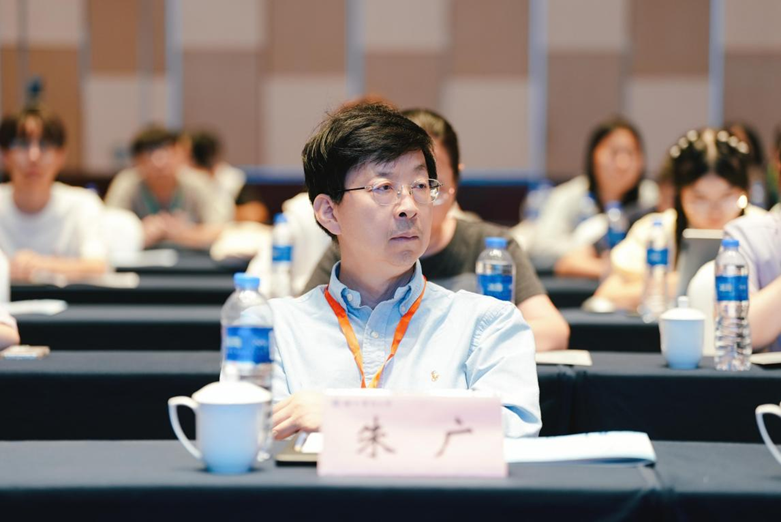
Professor Kyeung Min Joo from Sungkyunkwan University (Republic of Korea), Professor Shi Qinghua from the University of Science and Technology of China, Researcher Li Wei from the Institute of Perinatal and Reproductive Medicine, Guangzhou Women and Children’s Medical Center, Professor Zhu Guang from the Hong Kong University of Science and Technology, and Professor Liu Yongxin from the Chinese Academy of Agricultural Sciences delivered excellent presentations respectively. Their topics covered stem cell therapy for neurological diseases, genetic factors underlying meiotic abnormalities in patients with azoospermia, regulatory mechanisms of sperm flagellum biogenesis, structural biological analysis of disease molecular mechanisms and drug development, as well as the construction of research ecosystem for microbiome science.
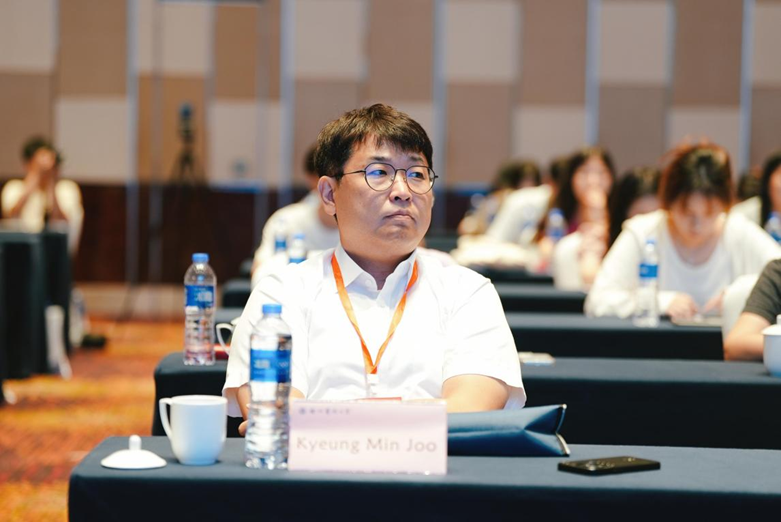
Professor Kyeung Min Joo introduced the application of stem cell therapy in the treatment of central nervous system diseases such as hypoxic-ischemic encephalopathy (HIE) and intraventricular hemorrhage (IVH). Experiments on cellular and mouse models have demonstrated favorable therapeutic efficacy and safety of stem cell therapy. Relevant findings have been patented and advanced into clinical trials, shedding new light on the treatment of neurological diseases.
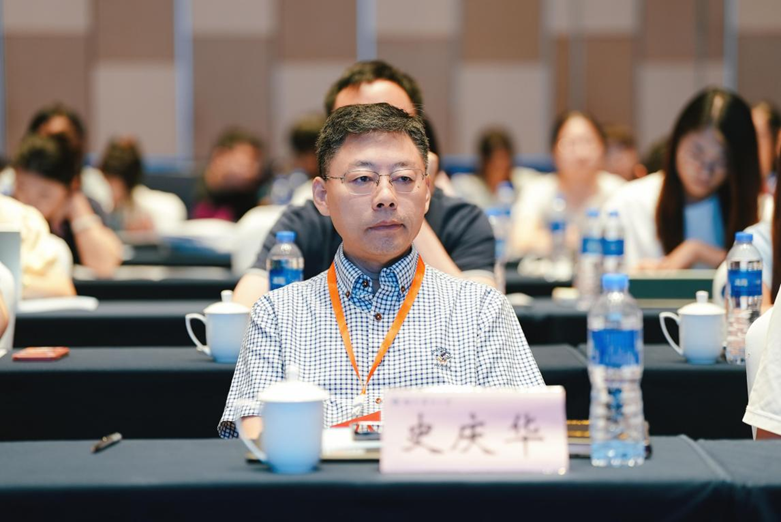
Professor Shi Qinghua first illustrated the whole process of meiosis. Failures in synapsis, recombination and other events during this process can result in failure of gametogenesis. His research group collected numerous male infertility cases and conducted detailed phenotypic analyses. Using high-throughput sequencing and bioinformatic analysis, the team identified more than 70 novel mutations responsible for abnormal spermatogenic meiosis. Taking the SYCE4 gene as an example in this presentation, Professor Shi elaborated on how mouse models and molecular experiments were employed to verify the pathogenicity and pathogenic mechanism of the mutations.
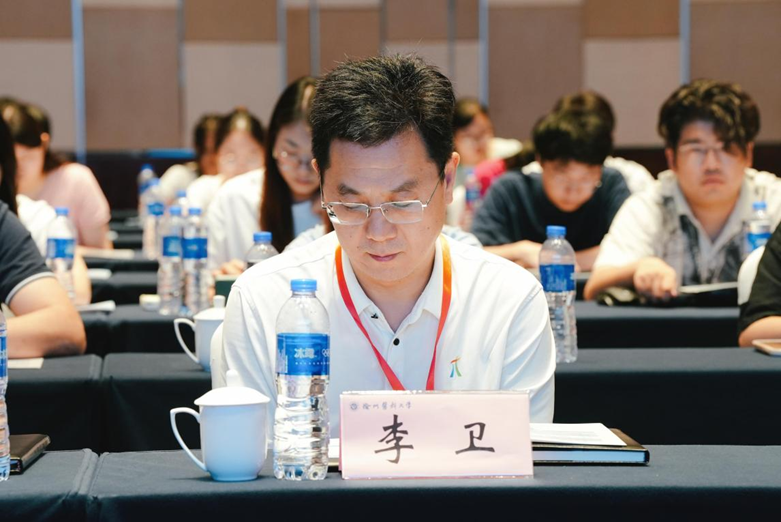
Professor Li Wei illustrated the regulatory mechanism underlying sperm flagellum biogenesis in his report. Abnormal sperm flagellum formation can lead to asthenoteratozoospermia. Previously, Professor Li’s research team successfully identified and validated two pathogenic genes SUN5 and PMFBP1 responsible for human acephalic spermatozoa syndrome. In this presentation, Researcher Li elaborated on the molecular mechanisms by which the knockout of CCDC113 causes defects in the sperm head-tail connecting apparatus, and the knockout of CFAP53 and CCDC38 induces multiple morphological abnormalities of the sperm flagella.
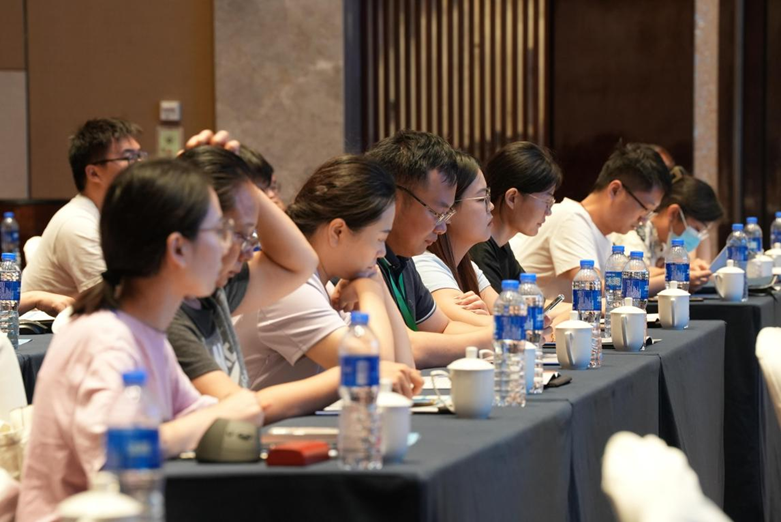
All participants listened attentively to the academic reports and engaged in vigorous discussions with the speakers focusing on scientific questions, interdisciplinary cooperation and applied research prospects.
Professor Song Yuanjian, Vice Dean of the School of Basic Medical Sciences, delivered the conference summary and extended gratitude to all attendees. He noted that the conference is instrumental in fostering a sound academic atmosphere. As a valuable academic platform, it effectively showcases the research achievements of experts and young scholars in the field, and facilitates talent team cultivation and the output of original scientific research outcomes.

