Upholding the fundamental mission of fostering virtue through education and strengthening home-school collaborative education, the School of Life Sciences carried out winter vacation home visits in 2024 to widely publicize national financial aid policies for disadvantaged college students.
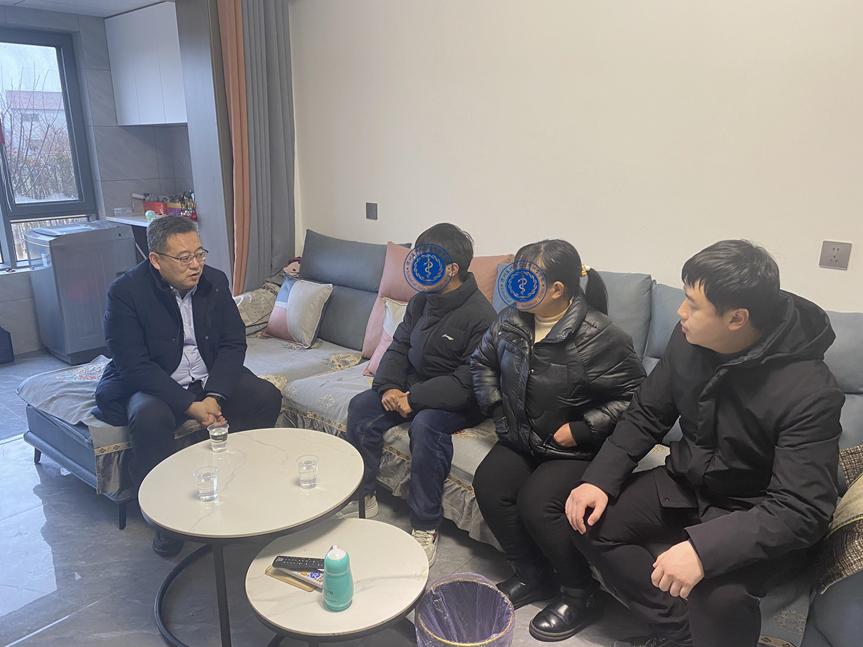
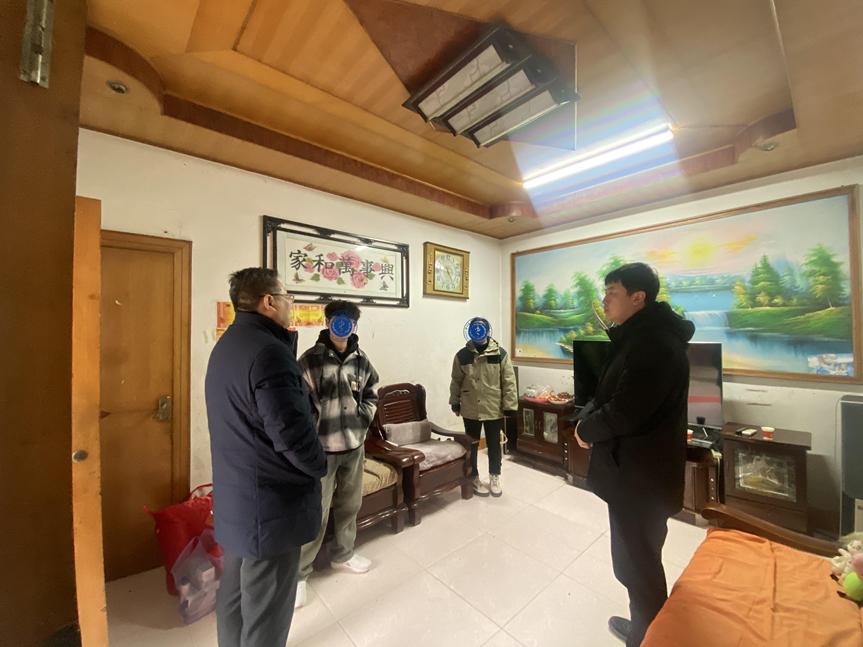
On February 20, Zheng Peng, Deputy Secretary of the General Party Branch, and counselors Xu Yue, Hong Xiaoran paid field visits to two financially challenged students (Student Chen and Student Zhao) in Suining County and Jiawang District, Xuzhou City. The team aimed to identify household hardships and deliver sincere care to students with financial or academic difficulties.
During conversations with families, teachers gained insight into household circumstances and home atmospheres. They provided targeted advice on coursework and future career planning tailored to each student’s individual situation. Secretary Zheng encouraged students to actively participate in school events, strengthen peer communication and maintain an optimistic outlook. Both students and their families felt heartfelt warmth from the school’s attention.
Counselors gave detailed explanations of national student loans, National Encouragement Scholarships, National Grants and university-specific aid policies, covering eligibility criteria, application procedures, award amounts and deadlines. This clear policy breakdown enabled families to seek timely, targeted support when facing financial strain. The parents of Student Chen and Student Zhao stated that home visits deepen their understanding of campus policies and their children’s school performance, bridging gaps between families, teachers and the university and exerting a positive influence on students’ studies and future development.
Home visits are far more than a poverty relief measure; they form a core component of the school’s virtue cultivation and aid-based education system. In the future, the School of Life Sciences will expand home visit channels, diversify outreach formats and enrich communication content to support long-term student development and continuously improve school-family satisfaction.
Author: Hong Xiaoran, First Review: Hong Xiaoran; Second Review: Zheng Peng; Third Review: Li Chong

